It's all gone a bit quiet from me recently- not been on Twitter much, been rubbish at replying to emails, not been banging on about archaeology online, not done much writing since coming back from Ireland.
This could just be a natural reaction to the intensity of a Visiting Fellowship, a joyful time which was stuffed to the gunnels with work.
Sadly, that's not what the problem was. The problem was that last Friday I was diagnosed with an ectopic pregnancy and have since been going through the process of my body disposing of this poor little misplaced bundle of cells. It's not been much fun. In fact, there was a point on Friday when it looked like I would be in surgery that afternoon. I can't say how thankful I am that this didn't happen and my body has dealt with it without intervention. I'm definitely one of the lucky ones.
I've read other brave posts from scholars writing about how their ongoing conditions have affected their work- what comes across most is their strength to carry on in spite of long term pain. I don't know quite how to explain my own sudden absence except in these brutally honest terms: I've had bigger things to worry about than Etruscans, publications, and even Twitter, like potentially losing a Fallopian tube and leaving my daughter overnight while she is still getting over being separated in Ireland.
Tommy's, a charity that supports families who suffer pregnancy loss and stillbirth, have started a campaign called #MisCourage that encourages people to share their experiences, start a conversation, acknowledge that this happens: it's not all happy endings and cute scan pictures. For some of us, what starts with a joyful little line on a stick ends with tears and tests and ultra towels.
I wanted to join in, to explain, to state what has happened in the last week. But I do feel afraid- is this appropriate, is this too much information, is this really ok for a blog that is deeply tied to my academic identity? But the two things go together- if you've been wondering where I've been, now you know. Is it better to be perceived as an oversharer or a flake?
I'm going with it's better to tell the truth.
Showing posts with label Archaeology. Show all posts
Showing posts with label Archaeology. Show all posts
Wednesday, 27 April 2016

Monday, 11 April 2016
Saying stupid stuff on the Internet
Recently I've had a couple of Twitter booboos.
The first one was not too bad, I thought someone was critiqueing someone else in a sarcastic way and tried to join is as I like this person and respect their work. They were being serious. I felt like an utter tool. Luckily this person is as kind and generous as they are a good scholar and was very magnanimous about my idiocy. I resolved not to go on Twitter in the early morning when extremely tired after a night of battling Silvia.
The second time, I had no such excuse. I'd been at work here at NUIG all day, my brain was fully in gear. But I just saw a single retweet and went off like a rocket, soaring into an interpretative universe all my own. It was an RT of someone live tweeting a paper on Roman breast pumps and (having been tortured by the damn things myself) I was instantly going off into a world of experiential archaeology, the significance of being able to effectively relieve your own engorgement pain (it is as bad as it sounds folks), the need for such relief if elite Roman women were giving their babies to wet nurses etc etc. Except that the objects in question weren't breast pumps at all, and that was the whole point of the paper. DOH!
I normally try to be quite careful about what I post online: after all, it's a reflection of me and I like to think that I'm as kind and thoughtful a human being on t'Internet as I try to be in life. When it's clear you've been an idiot, however, how can you respond?
In both cases, I've responded with apologies and corrections, tried to make myself the butt of the joke. I don't know if this is the right response. I'm still worried about both situations, about future possible idiocies. Maybe this is my David Clarke social media moment, Lucy's online archaeology's loss of innocence?
Anyway, let me know if you've got good ways to a) avoid being a fool online b) minimise the effects of that foolishness. Oh, and if you've seen me be an idiot online, tell me please.
The first one was not too bad, I thought someone was critiqueing someone else in a sarcastic way and tried to join is as I like this person and respect their work. They were being serious. I felt like an utter tool. Luckily this person is as kind and generous as they are a good scholar and was very magnanimous about my idiocy. I resolved not to go on Twitter in the early morning when extremely tired after a night of battling Silvia.
The second time, I had no such excuse. I'd been at work here at NUIG all day, my brain was fully in gear. But I just saw a single retweet and went off like a rocket, soaring into an interpretative universe all my own. It was an RT of someone live tweeting a paper on Roman breast pumps and (having been tortured by the damn things myself) I was instantly going off into a world of experiential archaeology, the significance of being able to effectively relieve your own engorgement pain (it is as bad as it sounds folks), the need for such relief if elite Roman women were giving their babies to wet nurses etc etc. Except that the objects in question weren't breast pumps at all, and that was the whole point of the paper. DOH!
I normally try to be quite careful about what I post online: after all, it's a reflection of me and I like to think that I'm as kind and thoughtful a human being on t'Internet as I try to be in life. When it's clear you've been an idiot, however, how can you respond?
In both cases, I've responded with apologies and corrections, tried to make myself the butt of the joke. I don't know if this is the right response. I'm still worried about both situations, about future possible idiocies. Maybe this is my David Clarke social media moment, Lucy's online archaeology's loss of innocence?
Anyway, let me know if you've got good ways to a) avoid being a fool online b) minimise the effects of that foolishness. Oh, and if you've seen me be an idiot online, tell me please.
Monday, 18 January 2016
Grand Challenges Part II: This time, it's personal
 |
| Yes, I'll be back, Clonmacnoise. |
So, as promised, here is the second half of my little chunk of the wonderful Doug's Archaeology 2016 blogging carnival.
First, some news: I have resigned from my job at Andante Travels- yes, the dream job designing wonderful archaeological holidays. In so many ways it was perfect, supportive company, great colleagues, opening up the past to the general public. But I couldn't make it work with a 10 month old and a 90 minute commute. So, that's that.
What happens now?* Well, I'm delighted to say I've been offered a Moore Institute Visiting Fellowship at National University of Ireland, Galway. I'll be there from late March to mid-April, made possible by my parents and husband taking time out to look after Silvia. I'm excited about it, and about the work I'll be doing, as well as the people I'll be working with. Any suggestions for cool things to do in Galway with a toddler much appreciated.
 |
| I hope the weather in Galway is this good again, or husband will suffer with a cooped up Silvia! |
 |
| Her challenge is to walk under the Boccanera Plaques, not crawl. FYI, the Etruscan gallery of the British Museum is an excellent place for your baby- the case arrangements are a perfect crawling speedway. |
The day-to-day of this is not a problem, keeping the balls in the air- you just do it. She wouldn't sleep last night, so instead of doing my usual 8-11 writing stint, it was 10-1. Then she woke at 3. And 5. Not great, but fine. I'm awake and alert. Just.
Coming to the point at last, my own grand challenge is to carve out a meaningful space for this new woman-in-archaeology-but-also-in-motherhood self. It would be wonderful to be able to link this with a formal position, but if the applications gods are unkind, I need to find a way to be ok with that. To write, to think, to be an archaeologist. Inside or outside the academy**. And I need to fit that with my family.
Doddle, right?
Ha.
Disclaimer: I AM INCREDIBLY AWARE OF HOW PRIVILEGED I AM TO BE ABLE TO TAKE THIS TIME AND HAVE THIS SPACE TO THINK AT ALL. Just saying. Also, it's a neat little feminist juxtaposition that embracing total dependence on my husband (and the vast majority of housework/childcare) allows me to think and work, albeit not for pay. Hmmm.
*Well, my first commitment that I'm so pleased to be doing is at the Institute of Classical Studies in London on the 9th February. Come along for some Derrida, some Corpus Vasorum Antiquorum, and to hear the results of that survey I've been plugging on Twitter. What's not to like?
**Another post needed here on the new independent scholar, I think. With the current over-production of PhDs, we could be a veritable army.
Tuesday, 10 November 2015
Flipping First Drafts
So, I have (finally, tonight, at 10:12pm) finished the first draft of Book the Second.
It's a snip at 57,000 words, excluding footnotes and references and acknowledgements and all the grown up caboodle. It's not huge, not by any means. But it's still over what the commissioning editor asked for- so a good chunk is going to have to go.
I cannot wait to attack it, pull it to bits, and rebuild it. I can already feel things wrong with it that are burning and itching in my brain, like little fleas determined to irritate me and suck out my writing flow. The last chapter was a struggle and a half as the editing fleas grew and swelled, becoming louder and more insistent.
The last time I finished something like this it was the first draft of my PhD, and there were no such issues. I was smug, happy and confident. My lovely supervisor would tell me where I had gone wrong and where to fix it, but it was done. To be fair, that was at least 20,000 words longer, so maybe I'd gone further into the dark place where your own work is the only thing you see. I'm hoping that the fact I can tell it needs editing, and major editing at that, is a sign that maybe I've grown up a bit since then. That I can even tell what those edits should be, that I can see where I want to shift and change and delete and grow, is giving me a sliver of hope for the future of the volume.
This must be what being a grown up feels like.
BUT wait, stop. Space. The essential ingredient, not the final frontier. I will not open any of the individual chapter word documents until December. I will not. I will let them lie fallow, turn my face to other ideas (of which more soon). Edit too fast, and edit too floppily.
Then, what? My usual plan of attack is print the whole thing out and attack it- see where it flows and where it sticks. Make a list of the instinctive problems, make a list of repetitive bits. Highlight words in paragraphs that you use too much (past culprits include "beautiful" "materials" and "striking." Moi?). Check your facts, then check them again. Same goes for references.
Then, to the victims. If you want to be a reader, let me know. You might get off lightly, with a chapter. You might be the poor schmuck who asks for the whole thing and receives it in the dark of a January night.
But, before your impending doom, any magical tips to turn a first draft into a second draft?
It's a snip at 57,000 words, excluding footnotes and references and acknowledgements and all the grown up caboodle. It's not huge, not by any means. But it's still over what the commissioning editor asked for- so a good chunk is going to have to go.
I cannot wait to attack it, pull it to bits, and rebuild it. I can already feel things wrong with it that are burning and itching in my brain, like little fleas determined to irritate me and suck out my writing flow. The last chapter was a struggle and a half as the editing fleas grew and swelled, becoming louder and more insistent.
The last time I finished something like this it was the first draft of my PhD, and there were no such issues. I was smug, happy and confident. My lovely supervisor would tell me where I had gone wrong and where to fix it, but it was done. To be fair, that was at least 20,000 words longer, so maybe I'd gone further into the dark place where your own work is the only thing you see. I'm hoping that the fact I can tell it needs editing, and major editing at that, is a sign that maybe I've grown up a bit since then. That I can even tell what those edits should be, that I can see where I want to shift and change and delete and grow, is giving me a sliver of hope for the future of the volume.
This must be what being a grown up feels like.
BUT wait, stop. Space. The essential ingredient, not the final frontier. I will not open any of the individual chapter word documents until December. I will not. I will let them lie fallow, turn my face to other ideas (of which more soon). Edit too fast, and edit too floppily.
Then, what? My usual plan of attack is print the whole thing out and attack it- see where it flows and where it sticks. Make a list of the instinctive problems, make a list of repetitive bits. Highlight words in paragraphs that you use too much (past culprits include "beautiful" "materials" and "striking." Moi?). Check your facts, then check them again. Same goes for references.
Then, to the victims. If you want to be a reader, let me know. You might get off lightly, with a chapter. You might be the poor schmuck who asks for the whole thing and receives it in the dark of a January night.
But, before your impending doom, any magical tips to turn a first draft into a second draft?
Monday, 5 October 2015
Telly Special: Questions and Queens
Secret History is back on Channel 4, and it's been a while since I blogged about archaeology on the telly, so I thought I'd share some thoughts on the first two episodes.
I want to start with last night, probably the more tricksy of the two shows so far. The hook was Cleopatra, and the film focused on the single minded quest of an amateur archaeologist to find her lost tomb. It was clear that the lady in question, Kathleen Martinez Berry, was living out her Indiana Jones fantasies, and fair play to her- through her stubborn refusal to give in, her bright optimism in the face of snubbing and snobbery (implied) and her incisive desk-based investigation, a rather exciting site is emerging from the desert sands. When you think of the hostility this woman has endured (and probably is still enduring, if social media is any guide) it is remarkable that she has kept going. Kathleen, an ex criminal lawyer, perhaps has exactly the type of thick skin you need to succeed in archaeological adversity these days. With enough money behind her, she has become a new kind of independent scholar*, steadily demonstrating that Taposiris Magna was a major Ptolemaic temple site with associated necropolis.
Of course, not everything was perfect, especially when it came to methodology. I would definitely have wanted a full Ground Penetrating Radar survey first off- rather than as a late doors attempt to find tombs. Collecting strategies also seemed unusual- there were shots of human remains being removed without being photographed in situ with scales in place (ALTHOUGH this could just have been the film's editing). If this was accurately represented, it would presumably not have happened if an experienced Egyptologist with strong documentation skills had been part of the dig from the start. What a shame.
More positively, there were so many fabulous women scholars featured. Dorothy Thompson from Cambridge presenting a papyrus fragment with Cleopatra's possible signature. Salima Ikram examining the amazing necropolis.
The first episode of the new series also featured an incredible female team- the women of the Rising Star expedition. As a claustrophobic wuss, I was in awe of their skill, strength and dedication. The entire excavation project was a lesson in public archaeology- live tweeted by director Lee Berger from above ground, (I think) webcams so you could follow the discovery as it happened. And all this from a cave deep below the South African bush. I don't know enough about human origins to assess their findings, but from a scicomm perspective this was the business.
These two programmes have raised serious key questions for me, regarding how we communicate archaeological research. Firstly, Cleopatra. The hook is the same as the worrying trend of "finding" (in)famous people in the past- Richard III anyone? Do we need personalities to pin projects on? Why is the discovery of Taposiris Magna not enough? Another key question- in an age of restricted research posts and cuts to funding, are independently wealthy amateur archaeologists going to be a permanent part of the scene? If so, how can they be welcomed and integrated, encouraged to partake in best practice without being patronised?
Secondly, and more simply, Homo Naledi and Rising Star. How the hell can a project in the middle of nowhere (relatively), metres below the surface, have better communications than excavations in the middle of European holiday hotspots (Tuscany, Greece etc)? What can we do to share our research more widely, and more accessibly? If Berger and Co can do it, then why can't we?
Field seasons for 2016 are in the planning phases now. Let's start planning how to share, as well as how to discover.
*or a reincarnation of a very old type of scholar- let's party like it's 1899.
I want to start with last night, probably the more tricksy of the two shows so far. The hook was Cleopatra, and the film focused on the single minded quest of an amateur archaeologist to find her lost tomb. It was clear that the lady in question, Kathleen Martinez Berry, was living out her Indiana Jones fantasies, and fair play to her- through her stubborn refusal to give in, her bright optimism in the face of snubbing and snobbery (implied) and her incisive desk-based investigation, a rather exciting site is emerging from the desert sands. When you think of the hostility this woman has endured (and probably is still enduring, if social media is any guide) it is remarkable that she has kept going. Kathleen, an ex criminal lawyer, perhaps has exactly the type of thick skin you need to succeed in archaeological adversity these days. With enough money behind her, she has become a new kind of independent scholar*, steadily demonstrating that Taposiris Magna was a major Ptolemaic temple site with associated necropolis.
Of course, not everything was perfect, especially when it came to methodology. I would definitely have wanted a full Ground Penetrating Radar survey first off- rather than as a late doors attempt to find tombs. Collecting strategies also seemed unusual- there were shots of human remains being removed without being photographed in situ with scales in place (ALTHOUGH this could just have been the film's editing). If this was accurately represented, it would presumably not have happened if an experienced Egyptologist with strong documentation skills had been part of the dig from the start. What a shame.
More positively, there were so many fabulous women scholars featured. Dorothy Thompson from Cambridge presenting a papyrus fragment with Cleopatra's possible signature. Salima Ikram examining the amazing necropolis.
The first episode of the new series also featured an incredible female team- the women of the Rising Star expedition. As a claustrophobic wuss, I was in awe of their skill, strength and dedication. The entire excavation project was a lesson in public archaeology- live tweeted by director Lee Berger from above ground, (I think) webcams so you could follow the discovery as it happened. And all this from a cave deep below the South African bush. I don't know enough about human origins to assess their findings, but from a scicomm perspective this was the business.
These two programmes have raised serious key questions for me, regarding how we communicate archaeological research. Firstly, Cleopatra. The hook is the same as the worrying trend of "finding" (in)famous people in the past- Richard III anyone? Do we need personalities to pin projects on? Why is the discovery of Taposiris Magna not enough? Another key question- in an age of restricted research posts and cuts to funding, are independently wealthy amateur archaeologists going to be a permanent part of the scene? If so, how can they be welcomed and integrated, encouraged to partake in best practice without being patronised?
Secondly, and more simply, Homo Naledi and Rising Star. How the hell can a project in the middle of nowhere (relatively), metres below the surface, have better communications than excavations in the middle of European holiday hotspots (Tuscany, Greece etc)? What can we do to share our research more widely, and more accessibly? If Berger and Co can do it, then why can't we?
Field seasons for 2016 are in the planning phases now. Let's start planning how to share, as well as how to discover.
*or a reincarnation of a very old type of scholar- let's party like it's 1899.
Wednesday, 26 August 2015
Shakespeare, Street Harassment and the Etruscans

Yes, really.
I'm working on the first draft of my second book at the moment. It's great fun, almost a formalised extension of this blog. The big idea is to explore the relevance of Etruscan culture to the modern world, incorporating analyses of historical texts and archaeological materials. But, as I've blogged about before, it's written for a popular audience.
I'm chugging on through- nearly done with Chapter 7. This is my favourite part of the book so far, because it deals with some pet interests of mine- the lives of Etruscan women and the state of modern feminism.
In the course of writing it, though, I've gone down the rabbit hole of chasing a stereotype. Etruscan women were independent and lascivious- everyone knows that. It's a scholarly trope. But where does it come from?
Well, the obvious answer is Livy. But how does Livy wiggle his way into England? Of course, the educated elite might have been reading Ab Urbe Condita for themselves, but Etruscan women also feature in a rowdier format.
In Shakespeare's Rape of Lucrece, dedicated to Henry Wriothesley, 3rd Earl of Southampton, we have a prologue designed to clarify the poem. Here are the Etruscan women:
“The other ladies were all found dancing and revelling, or in several
disports.”
It's only a sentence, but an interesting one. In the original text, Livy describes the same women as:
"passing their time in feasting and in luxury with their acquaintances."
Shakespeare, has chosen to go further. He deliberately implies that the Etruscan wives are misbehaving- and their misbehaviour has a sexual undertone. The word disport, while meaning unrestrained enjoyment, has a sinful implication here. In several disports? In Elizabethan bawdy talk, disport has a definite link with copulation and sexual play.
The sexual infidelity of Etruscan women is useful to Shakespeare- it sets up a direct contrast with the purity of his Lucrece. It is her chastity, and not her beauty, which first inflames the villainous Sextus Tarquinius, who will go on to rape her and bring down disaster on his family.
In Livy's account, I would argue that there remains an implication that the Etruscan women are responsible for the demise of the Tarquinii as a ruling dynasty. For Shakespeare, however, they are more sinister. It is their sexual availability, not their dedication to luxury, that causes Lucrece's death with its spiralling consequences. One of the poem's messages is that the availability of loose women damages all good women, and not just by repute.
It's a fascinating scenario- one of the first appearances of Etruscan women in the English language. To what extent it is responsible for the survival of the stereotype of Etruscan women, I don't know. But there are plenty of issues in here that impact our lives as women in the 21st century. Women's enjoyment of pleasure, especially sexual pleasure, is still considered problematic by our society. Look at the victim shaming of revenge porn, or the hooting tabloids and the sidebar of shame.
There is another aspect to this shaming behaviour too. A particular politician's recent statements on women-only carriages after the exposure of figures of the rate of sexual harassment on public transport emphasise our daily encounters with the Sextii Tarquinii of the Tube. The rationale of these abusers remains that some women (denigrated with terms like "slut" or "whore") like their behaviour.
In Shakespeare and in the street, the equivalents of the Etruscan women- women taking pleasure - are still being blamed for attacks on other women.
When will they be absolved of responsibility for the acts of men?
Wednesday, 19 August 2015
(BAD) News from Syria
I haven't been there. Too wussy by far.
I posted over a year ago about the problems of mourning archaeology at the expense of people.
Very sadly, today, that issue has resurfaced in the most tragic way.
An archaeologist has died at the hands of so-called Islamic State, brutally murdered. It seems that he was killed for refusing to reveal the location of antiquities at Palmyra. He gave his life to protect the artefacts he loved falling into the hands of this utterly repugnant organisation.
What courage. What honour. What bravery.
I also want to remember the individuals who are dying to save the living, as well as protect the leavings of the dead. The BBC carried a harrowing account of traders who pay money to secure the release of Yazidi slaves- women and girls, who have been exposed to hideous sexual and physical abuse, as reported by the New York Times.
The murder of old men, the rape of young women, the destruction of beauty in every way. When will it stop? When will it be enough to act?
Rest In Peace, Khaled Al-Assad. Your courage, and that of the Yazidi families, will not be forgotten.
I posted over a year ago about the problems of mourning archaeology at the expense of people.
Very sadly, today, that issue has resurfaced in the most tragic way.
An archaeologist has died at the hands of so-called Islamic State, brutally murdered. It seems that he was killed for refusing to reveal the location of antiquities at Palmyra. He gave his life to protect the artefacts he loved falling into the hands of this utterly repugnant organisation.
What courage. What honour. What bravery.
I also want to remember the individuals who are dying to save the living, as well as protect the leavings of the dead. The BBC carried a harrowing account of traders who pay money to secure the release of Yazidi slaves- women and girls, who have been exposed to hideous sexual and physical abuse, as reported by the New York Times.
The murder of old men, the rape of young women, the destruction of beauty in every way. When will it stop? When will it be enough to act?
Rest In Peace, Khaled Al-Assad. Your courage, and that of the Yazidi families, will not be forgotten.
Tuesday, 4 August 2015
Do me a favour- tell me a story
Hello readers.
Who are you? What are you? Archaeologist or human being? Both? Neither? Internet cat?
Why do you read this blog? Are you bored? Are you a friend who feels sorry for me? Are you genuinely interested in some of this weird rubbish?
How did you find me? Googling Etruscans in a moment of internet madness? Twitter? Facebook?
I've never really thought that hard about who reads this blog. The fabulous Lorna Richardson has observed that archaeological blogs are usually done by archaeologists for archaeologists, no matter how much we try to pretend they are for the civilian public. I have a funny feeling she's totally right.
Anyway, whoever you are (and please do say hi! Nobody ever comments here...) a talented researcher needs your help! Not yours truly (ahem- will beg for favours later), but Fleur Schinning, who is working on archaeological blogging and audiences.
So please, please- whiz over to her online survey and plop your thoughts down.
http://goo.gl/forms/z3BAUTyYUL
Cheers.
Who are you? What are you? Archaeologist or human being? Both? Neither? Internet cat?
Why do you read this blog? Are you bored? Are you a friend who feels sorry for me? Are you genuinely interested in some of this weird rubbish?
How did you find me? Googling Etruscans in a moment of internet madness? Twitter? Facebook?
I've never really thought that hard about who reads this blog. The fabulous Lorna Richardson has observed that archaeological blogs are usually done by archaeologists for archaeologists, no matter how much we try to pretend they are for the civilian public. I have a funny feeling she's totally right.
Anyway, whoever you are (and please do say hi! Nobody ever comments here...) a talented researcher needs your help! Not yours truly (ahem- will beg for favours later), but Fleur Schinning, who is working on archaeological blogging and audiences.
So please, please- whiz over to her online survey and plop your thoughts down.
http://goo.gl/forms/z3BAUTyYUL
Cheers.
Tuesday, 14 July 2015
Writing for normal people
Normally, I write for weirdos. Other archaeologists, to be precise. We're an odd bunch, and I say that with utter respect and love. I adore reading academic archaeology, the more theoretical, the better. I love to attack an article, pull it to bits, figure it out and build it back together. I enjoy writing this way, too.
But currently I'm writing for the real world. For those who aren't totally obsessed with the dead, and who wouldn't dream of applying some bizarre social theory to a set of graves and coming up with an out-there-but-it-kinda-works interpretation.
I'm halfway through writing my second book (the first was my PhD, now available wherever good archaeological works are sold- so mostly on the internet then), which has an informal subtitle of "why you should give a damn about the Etruscans." Approaching the midpoint of the first draft, I've come to several conclusions about writing for a non-academic crowd, and I'd like to hear other thoughts.
1) Keep it snappy, sunshine. Endless clauses just annoy people. If you can't say it clear and concise, why are you saying it at all?
2) Don't get preachy. Nobody likes to read moralising tomes of self-improving blah. If you have an ethical point to make, do it straight.
3) Admit your own fallibility. Just because you're writing this book, doesn't mean you know everything. General readers can sniff out a self important phony as well as the academic crowd.
MOST IMPORTANTLY
4) Don't be afraid to have fun. It should be an enjoyable read, and so should be enjoyable to write. You can always edit out the bad jokes later, but I feel that a non fiction book for a general audience should be rollicking good fun while also making you think.
Any tips and pointers anyone? Thinking it through, I feel that these four points probably apply to good academic writing too. Especially the last one.
I'll stop skiving and get back to the grindstone now, before the baby wakes up.
But currently I'm writing for the real world. For those who aren't totally obsessed with the dead, and who wouldn't dream of applying some bizarre social theory to a set of graves and coming up with an out-there-but-it-kinda-works interpretation.
I'm halfway through writing my second book (the first was my PhD, now available wherever good archaeological works are sold- so mostly on the internet then), which has an informal subtitle of "why you should give a damn about the Etruscans." Approaching the midpoint of the first draft, I've come to several conclusions about writing for a non-academic crowd, and I'd like to hear other thoughts.
1) Keep it snappy, sunshine. Endless clauses just annoy people. If you can't say it clear and concise, why are you saying it at all?
2) Don't get preachy. Nobody likes to read moralising tomes of self-improving blah. If you have an ethical point to make, do it straight.
3) Admit your own fallibility. Just because you're writing this book, doesn't mean you know everything. General readers can sniff out a self important phony as well as the academic crowd.
MOST IMPORTANTLY
4) Don't be afraid to have fun. It should be an enjoyable read, and so should be enjoyable to write. You can always edit out the bad jokes later, but I feel that a non fiction book for a general audience should be rollicking good fun while also making you think.
Any tips and pointers anyone? Thinking it through, I feel that these four points probably apply to good academic writing too. Especially the last one.
I'll stop skiving and get back to the grindstone now, before the baby wakes up.
Saturday, 6 June 2015
Field Schools- the good, the bad and the ugly
I had a discussion on Twitter this morning with some of my favourite tweeps, prompted by this article about archaeological (and other earth science disciplines') field schools. It's a pretty straightforward critique of the dominant American model, in which students pay (often a big whack of $$$) for the opportunity to excavate. The problem is that this is often a compulsory component of a degree course, and the author argues that as such, it should be included within the overall fees that a student pays (and God knows they are already prohibitive when your graduate job has a minimum wage attached).
The questions of what field school is for, what it should be, and who pays for it is are important. Field schools are often the first taste of excavation for students, and colour their impression of the commercial and research routes of the discipline. I'd argue that for those students who don't stay in archaeology this is especially significant- archaeology needs support from those on the outside if it is to survive. Field schools are also generating archaeological data, often on important sites- the quality of excavation needs to match up to the quality of raw archaeology, so teaching excellence and strong leadership and interpretation (at the trowel's edge, shoutout to my Ian Hodder groupies) is essential. Ideally, they should also be reasonably priced or (better) free, so that students from non-privileged backgrounds can share in archaeological discovery without being clobbered with even more debt, or even more pressure.
There's the rub. I love the tradition of local university digs, the clambering onto a minibus in the grey of a city dawn, the squashed sandwiches and muddy boots. But UK archaeology, while interesting, isn't quite up there with my Etruscan loves. I wanted, needed, to encounter Etruscan archaeology with my own hands, with my own trowel. So I had to pay. The project receives next to no funding from the University that hosts it- the fees covered living costs for me and contributed to those of staff members. There are scholarships that contribute to fees for those who would struggle, but the fact remains- if you don't have the cash, you can't really dig here. That interest is off limits to you. That's a problem.
There's a worse problem, which happily doesn't apply to the field school I have worked at. It's when someone pays the money, working long hours, borrowing from relatives to follow their passion- and it turns out to be a disaster. At every field school, first time excavators often discover that fieldwork is not their bag- but hopefully they can still find something to enjoy- travel, new friends, time out from the real world enveloped in the physicalities of excavation. But when conditions are atrocious, teaching poor and hierarchies oppressive, the thought of the money paid for an utterly miserable experience is sickening.
It's also bad for the archaeology. My first excavation experience age 18 involved being given a 1x1 and a trowel and bucket and left to get on with it. Cue horror- I had thoroughly absorbed the message about archaeology as destructive science. I had no clue about recording, about artefact types, about anything. A supervisor would wander past about every hour and laugh at my terrified face. It put me off fieldwork for years, as I couldn't face the responsibility again. Better to write about other people's excavations (and there's totally no problem with archaeologists who don't dig- it's not the be all and end all) and not risk screwing up a context forever.
That's a bad field school. But it can be worse. I've blogged before about Kate Clancy's research on abuse in fieldwork disciplines. You pay your money, or you give your time, and you are abused by a supervisor. Disgusting in every situation, free dig or costly fieldschool.
So, what makes a good field school for you? Any solutions to the funding problem? How do you access archaeology that you find interesting without stumping up the cash? And a year on from Clancy's research, what's changed to make fieldwork safer?
The questions of what field school is for, what it should be, and who pays for it is are important. Field schools are often the first taste of excavation for students, and colour their impression of the commercial and research routes of the discipline. I'd argue that for those students who don't stay in archaeology this is especially significant- archaeology needs support from those on the outside if it is to survive. Field schools are also generating archaeological data, often on important sites- the quality of excavation needs to match up to the quality of raw archaeology, so teaching excellence and strong leadership and interpretation (at the trowel's edge, shoutout to my Ian Hodder groupies) is essential. Ideally, they should also be reasonably priced or (better) free, so that students from non-privileged backgrounds can share in archaeological discovery without being clobbered with even more debt, or even more pressure.
There's the rub. I love the tradition of local university digs, the clambering onto a minibus in the grey of a city dawn, the squashed sandwiches and muddy boots. But UK archaeology, while interesting, isn't quite up there with my Etruscan loves. I wanted, needed, to encounter Etruscan archaeology with my own hands, with my own trowel. So I had to pay. The project receives next to no funding from the University that hosts it- the fees covered living costs for me and contributed to those of staff members. There are scholarships that contribute to fees for those who would struggle, but the fact remains- if you don't have the cash, you can't really dig here. That interest is off limits to you. That's a problem.
There's a worse problem, which happily doesn't apply to the field school I have worked at. It's when someone pays the money, working long hours, borrowing from relatives to follow their passion- and it turns out to be a disaster. At every field school, first time excavators often discover that fieldwork is not their bag- but hopefully they can still find something to enjoy- travel, new friends, time out from the real world enveloped in the physicalities of excavation. But when conditions are atrocious, teaching poor and hierarchies oppressive, the thought of the money paid for an utterly miserable experience is sickening.
It's also bad for the archaeology. My first excavation experience age 18 involved being given a 1x1 and a trowel and bucket and left to get on with it. Cue horror- I had thoroughly absorbed the message about archaeology as destructive science. I had no clue about recording, about artefact types, about anything. A supervisor would wander past about every hour and laugh at my terrified face. It put me off fieldwork for years, as I couldn't face the responsibility again. Better to write about other people's excavations (and there's totally no problem with archaeologists who don't dig- it's not the be all and end all) and not risk screwing up a context forever.
That's a bad field school. But it can be worse. I've blogged before about Kate Clancy's research on abuse in fieldwork disciplines. You pay your money, or you give your time, and you are abused by a supervisor. Disgusting in every situation, free dig or costly fieldschool.
So, what makes a good field school for you? Any solutions to the funding problem? How do you access archaeology that you find interesting without stumping up the cash? And a year on from Clancy's research, what's changed to make fieldwork safer?
Tuesday, 14 April 2015
Silvia
A slightly better excuse than last time I had a big break from this blog.
Silvia Marianne made her entrance just after midnight on the 18th March, and since then I've been pretty much glued to her- when she's not feeding I want to cuddle her and gaze at her perfect little face. She's unimpressed by archaeology though...

This is great, for now. She'll be a month old, and although it's not been easy (dural puncture, mastitis, all the fun of the forceps fair) it's been bliss getting to know each other and not thinking tough thoughts about things that matter- like dead people and how we think about them.
It's the practicalities of how we think about them that are now starting to worry me. If I take Silvie to the shops, we can dash to the car for a feed. Or a cafe, or even (in some blissfully manipulative shops that sell baby things) a parent and child room. These are options that are not going to be possible in libraries, as I research my new book. I half jokingly floated the idea of bringing a baby to the Sackler Library in Oxford- their lovely Twitter account confirmed it's a no. I'm not surprised- but I'm still slightly disappointed. How are mothers going to access knowledge when baby isn't welcome? I totally get that a squalling infant, projectile milk puke and nappies aren't a good match for ancient books. It just sucks (no pun intended) that the only way I can get my increasingly grubby mitts on the books I need will be by pumping a ton of milk and leaving baby with Daddy on a Saturday- when the library closes early.
I guess that's the reality of having a small person who is totally reliant on you for sustenance. Were Daddy an academic, he could swan off to the library any time he liked. I can't fight the biology, but it does seem a shame that there isn't some space, some flexibility, some understanding. A little room, somewhere in the bowels of a library, where you could plonk your potentially noisy little nuisance and read while they slept, making your crucial notes while they suckle. Just an idea.
In other news, just as I was feeling really rotten (mastitis is NOT fun), an article I wrote has been published in the journal Antiquity. Have a look- I am a scholar, and not just a milk parlour. Or maybe both. That's why I'd quite like a boob room in the Bodleian. Please?
Silvia Marianne made her entrance just after midnight on the 18th March, and since then I've been pretty much glued to her- when she's not feeding I want to cuddle her and gaze at her perfect little face. She's unimpressed by archaeology though...
This is great, for now. She'll be a month old, and although it's not been easy (dural puncture, mastitis, all the fun of the forceps fair) it's been bliss getting to know each other and not thinking tough thoughts about things that matter- like dead people and how we think about them.
It's the practicalities of how we think about them that are now starting to worry me. If I take Silvie to the shops, we can dash to the car for a feed. Or a cafe, or even (in some blissfully manipulative shops that sell baby things) a parent and child room. These are options that are not going to be possible in libraries, as I research my new book. I half jokingly floated the idea of bringing a baby to the Sackler Library in Oxford- their lovely Twitter account confirmed it's a no. I'm not surprised- but I'm still slightly disappointed. How are mothers going to access knowledge when baby isn't welcome? I totally get that a squalling infant, projectile milk puke and nappies aren't a good match for ancient books. It just sucks (no pun intended) that the only way I can get my increasingly grubby mitts on the books I need will be by pumping a ton of milk and leaving baby with Daddy on a Saturday- when the library closes early.
I guess that's the reality of having a small person who is totally reliant on you for sustenance. Were Daddy an academic, he could swan off to the library any time he liked. I can't fight the biology, but it does seem a shame that there isn't some space, some flexibility, some understanding. A little room, somewhere in the bowels of a library, where you could plonk your potentially noisy little nuisance and read while they slept, making your crucial notes while they suckle. Just an idea.
In other news, just as I was feeling really rotten (mastitis is NOT fun), an article I wrote has been published in the journal Antiquity. Have a look- I am a scholar, and not just a milk parlour. Or maybe both. That's why I'd quite like a boob room in the Bodleian. Please?
Tuesday, 10 March 2015
Some day my "prince" will come
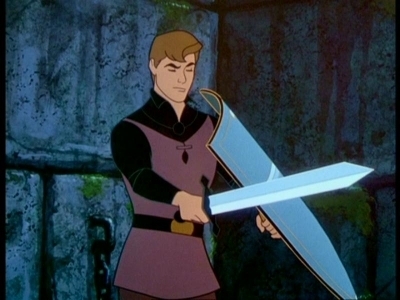
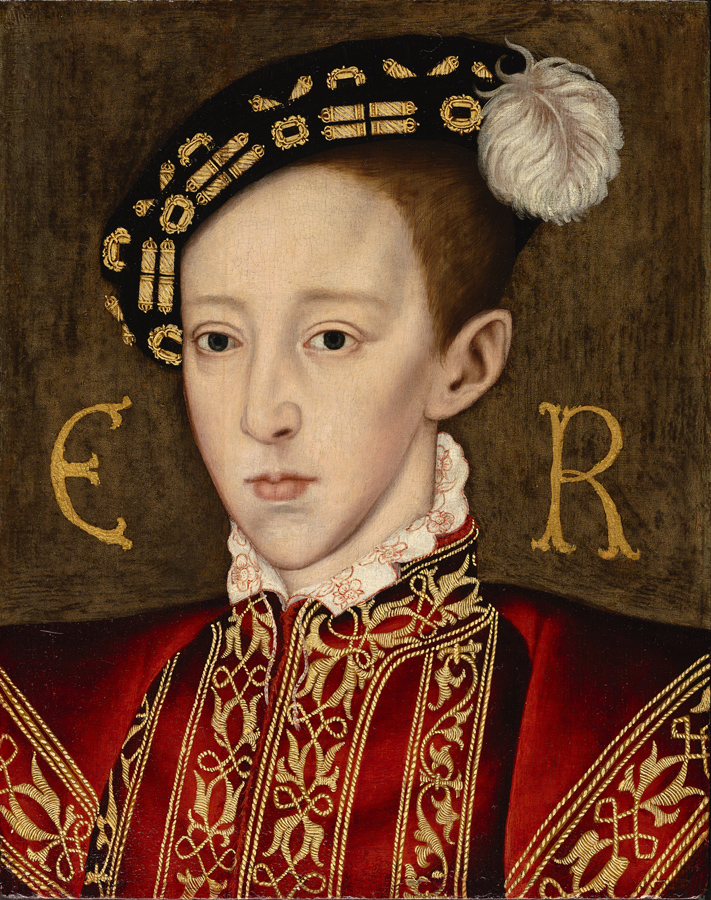
If I say a prince to you, what do you think of?
This guy? (Image: Telegraph)

This guy? (Image: Disney)

This guy?

Male of royal blood, right? Prince Charming, Prince Edward, Prince Harry. The Oxford dictionary defines a prince by his relationships to other royals- the son or grandson of a monarch.
None of these chaps look much like the individual who was buried in a tomb in Lavau, France during the 5th century BC, whose grave goods have been all over my social media for the last week or so. It's an amazing burial, with some incredible artefacts. My eye was caught by a gorgeous vessel imported from Greece, which looks like it shows a scene featuring Dionysian revelry- aka the formalised and semi-ritual consumption of alcohol. The metalwork, including a bronze cauldron, is pretty fabulous too- and some of it looks very Etruscan. In short, it's right up my street.
But we've been here before. A tomb was discovered, the excavators got excited, got the press involved, described the burial as that of a prince. That was in Tarquinia, Italy, in September 2013. But guess what? The burial turned out to be that of a woman. Cue lots of equivocating and burying of the story. Plus, it would just be darn rude to mention Vix.
As far as I'm aware, there haven't been osteoarchaeological analyses done of the individual buried in the Lavau tomb as yet. The detailed discussion provided by the rescue archaeologists who have been working on the burial since October last year doesn't mention this, at least. So, first off, we don't know that this burial is male. Second, going back to the point I wanted old Charming and Harry to make, we definitely don't know that this individual, even if it is male, was part of a system of inherited power that we might correlate to a monarchy.
Yes, it's a very impressive set of goodies to be buried with. Somebody wanted to make a big impression when this person left the world. It's conspicuous consumption-tastic. But that doesn't make this burial that of a prince- it makes it the burial of a wealthy individual with serious long distance trading connections. But that doesn't make for a sexy sound bite.
So, once again, we're back in the same old frustrating place with the same assumptions underlying every news story reporting this amazing discovery, relentlessly snipping away the joy in the find with inappropriate language and the promotion of a very particular set of stereotypes being squashed onto the archaeology itself.
But at least you got to check out one of the world's most eligible bachelors, right?
This guy? (Image: Telegraph)
This guy? (Image: Disney)
This guy?
Male of royal blood, right? Prince Charming, Prince Edward, Prince Harry. The Oxford dictionary defines a prince by his relationships to other royals- the son or grandson of a monarch.
None of these chaps look much like the individual who was buried in a tomb in Lavau, France during the 5th century BC, whose grave goods have been all over my social media for the last week or so. It's an amazing burial, with some incredible artefacts. My eye was caught by a gorgeous vessel imported from Greece, which looks like it shows a scene featuring Dionysian revelry- aka the formalised and semi-ritual consumption of alcohol. The metalwork, including a bronze cauldron, is pretty fabulous too- and some of it looks very Etruscan. In short, it's right up my street.
But we've been here before. A tomb was discovered, the excavators got excited, got the press involved, described the burial as that of a prince. That was in Tarquinia, Italy, in September 2013. But guess what? The burial turned out to be that of a woman. Cue lots of equivocating and burying of the story. Plus, it would just be darn rude to mention Vix.
As far as I'm aware, there haven't been osteoarchaeological analyses done of the individual buried in the Lavau tomb as yet. The detailed discussion provided by the rescue archaeologists who have been working on the burial since October last year doesn't mention this, at least. So, first off, we don't know that this burial is male. Second, going back to the point I wanted old Charming and Harry to make, we definitely don't know that this individual, even if it is male, was part of a system of inherited power that we might correlate to a monarchy.
Yes, it's a very impressive set of goodies to be buried with. Somebody wanted to make a big impression when this person left the world. It's conspicuous consumption-tastic. But that doesn't make this burial that of a prince- it makes it the burial of a wealthy individual with serious long distance trading connections. But that doesn't make for a sexy sound bite.
So, once again, we're back in the same old frustrating place with the same assumptions underlying every news story reporting this amazing discovery, relentlessly snipping away the joy in the find with inappropriate language and the promotion of a very particular set of stereotypes being squashed onto the archaeology itself.
But at least you got to check out one of the world's most eligible bachelors, right?
Tuesday, 24 February 2015
Reopening old wounds
I read a fantastic article this morning- it was brave, it was bold, and it put forward solutions to problems rather than just moaning about them. You can read it here.
The author, Selina Todd, a historian from Oxford University, describes a conference from hell. Male scholars preen and groom each other, furiously stoking their egos while an alienated group of Other contributors are excluded, left to huddle by the remnants of the catering. I described a terrifyingly similar conference on this blog a year and a half ago, stoked by rage. I'm still angry, but mostly at myself. I did nothing. I snarked online, I wrote an article critiquing those views which will be coming out soon in a journal that none of the culprits will ever read. But I was too cowardly to risk my own prospects by calling out this appalling behaviour. Thinking about it now, there were a number of constructive things I could have done- I could have calmly and rationally emailed the organisers, pointing out the problems, and asking these to be rectified for future conferences (just one female chair- or oooh, big wow, two? some guidelines on appropriate language and behaviour during question sessions?). I could have been brave and asked difficult questions, and tried to puncture the self-satisfaction. All I did was give my paper and slink off to the refreshments.
So my favourite thing about the article is that Todd isn't just angry- she's productive. She puts forward a number of strategies that she, and the other members of the Oxford Women in the Humanities group are developing to try and encourage female scholars. One of these that particularly caught my eye was the idea of writing fellowships, a breathing space for early career scholars to give them a chance to get the publications that lead to a career. I was not in a position to get a research post when finishing my PhD- I simply didn't have the output, something I learnt the hard way through many wasted hours applying for positions overrun with much better applicants. That's not intended as a moan or a whine- that is the way things are, and I am the only person I have to blame for that situation.
So, over the last year, I've worked my nuts off trying to both write and hold down a full time job. My first book is now out, and I've just about managed to co-author one article as part of a wonderful project, in addition to the critique mentioned above. It's still nowhere near enough- I'm working on a second book, a pair of articles, and trying to get ready for the arrival of our baby. The difference a writing fellowship would have made to someone like me is immeasurable in all sorts of ways. Just having the sense of belonging to an academic network, the access to online journals, let alone the time and space to write without feeling guilty about not doing something else, that would be enough. I will be fascinated to see what the holders of these new fellowships achieve- I am sure the result will be truly transformative research, and maybe, just maybe, a break from the circle of male love Todd describes and we've all witnessed. They might also be courageous enough to turn the tables at the next hell conference, into the bargain.
The author, Selina Todd, a historian from Oxford University, describes a conference from hell. Male scholars preen and groom each other, furiously stoking their egos while an alienated group of Other contributors are excluded, left to huddle by the remnants of the catering. I described a terrifyingly similar conference on this blog a year and a half ago, stoked by rage. I'm still angry, but mostly at myself. I did nothing. I snarked online, I wrote an article critiquing those views which will be coming out soon in a journal that none of the culprits will ever read. But I was too cowardly to risk my own prospects by calling out this appalling behaviour. Thinking about it now, there were a number of constructive things I could have done- I could have calmly and rationally emailed the organisers, pointing out the problems, and asking these to be rectified for future conferences (just one female chair- or oooh, big wow, two? some guidelines on appropriate language and behaviour during question sessions?). I could have been brave and asked difficult questions, and tried to puncture the self-satisfaction. All I did was give my paper and slink off to the refreshments.
So my favourite thing about the article is that Todd isn't just angry- she's productive. She puts forward a number of strategies that she, and the other members of the Oxford Women in the Humanities group are developing to try and encourage female scholars. One of these that particularly caught my eye was the idea of writing fellowships, a breathing space for early career scholars to give them a chance to get the publications that lead to a career. I was not in a position to get a research post when finishing my PhD- I simply didn't have the output, something I learnt the hard way through many wasted hours applying for positions overrun with much better applicants. That's not intended as a moan or a whine- that is the way things are, and I am the only person I have to blame for that situation.
So, over the last year, I've worked my nuts off trying to both write and hold down a full time job. My first book is now out, and I've just about managed to co-author one article as part of a wonderful project, in addition to the critique mentioned above. It's still nowhere near enough- I'm working on a second book, a pair of articles, and trying to get ready for the arrival of our baby. The difference a writing fellowship would have made to someone like me is immeasurable in all sorts of ways. Just having the sense of belonging to an academic network, the access to online journals, let alone the time and space to write without feeling guilty about not doing something else, that would be enough. I will be fascinated to see what the holders of these new fellowships achieve- I am sure the result will be truly transformative research, and maybe, just maybe, a break from the circle of male love Todd describes and we've all witnessed. They might also be courageous enough to turn the tables at the next hell conference, into the bargain.
Tuesday, 10 February 2015
50 Shades of Material Culture

No, not a Munsell chart.
Nor the hilarity that resulted in reading the said book during lunch break on site, with different diggers taking on the different voices.
A good few shades darker than that.
I was actually thinking about the material culture of verbal and emotional abuse. That's what the film is about, that's what the book is about. The lifestyle of the antihero is wrapped up in objects, and quite apart from the contents of the Red Room of Pain, it is through some unsuspecting things that the emotional abuse of the series plays out. The publicity surrounding the film's release on Friday, perhaps combined with the recent publication of a project focused on the prevalence of online abuse in archaeology led by Sara Perry, and being quizzed by the health visitor about my relationship ("do you feel safe?"), has had me thinking about about emotional abuse in the past.
Physical abuse can show up loud and clear in the archaeological record- fractured bones, violent death. Yet the pernicious removal of a person's agency and confidence is harder to spot, the grinding misery of manipulation, the panic and fear of being found wanting, the increasingly desperate attempts to please. These are experiences that can be mediated through the simplest of objects, including some that we find all the time.
Dropping a pot, it smashes on the floor. A sarcastic voice lashes out, ripping off yet another layer of self. You're clumsy, you're useless, you're a waste of space, why do they even put up with you? Yet when we shove the fragments into a finds bag, there's no echo, no obvious sign of the context in which that vessel was broken- in which a person might have been broken too.
It's not always the whips and handcuffs that have the most devastating effect. The pen used to sign the infamous 50 Shades contract by Anastasia Steele bears no trace of its use, signing away a woman's control over her body, her time and her self worth. I chose the image at the top of this post based on the shirts- their exact uniformity, their careful curation as a collection of costumes projecting a very particular and disturbing identity that thrives on the manipulation of other people, sexually and otherwise. The biographies of these objects, their life stories, can be tainted with deep and long-lasting pain just as surely as a fractured cheekbone speaks of a blackened eye and swollen face.
The problem, of course, is that these narratives are exactly that- stories. They are marooned in the use life of an artefact, trapped in the sticky mess of use and reuse, the long mist between the making of a thing and its disposal. How can we excavate the dark side of things, exposing hurt and humiliation?
Wednesday, 11 June 2014
Intimate Worlds

Warning- big fat swear coming up at the end.
Young and self-righteous as I was, I wrote several in depth papers on this topic- arguing that risqué films of the Roman world, such as "Gladiator: Uncut" and "Caligula" were more honest about Roman sexuality than most archaeologists, in that at least they acknowledged that sex happened. The paper that was writing sample for my PhD used three case studies to construct an argument that an archaeology of sex was possible- and it was important. When I started work on the PhD, it was largely inspired by my interest in erotic vase painting how these images had ended up in Etruria, and how they connected with hammed up later Greek writings about Etruscan sexuality. By the end of the PhD, the dataset had expanded vastly- and the evidence forced me to look at the erotic scenes in context with other pottery images. So, the thesis ended up being more about alcohol and the construction of the self than sex. Trade and politics got in there too- I guess I sold out, moving from sex to booze and egotism. Maybe that's maturity for you.
ANYWAY, last weekend I had an opportunity to get back into ancient sex. And it was brilliant. You might have seen or read some of the press surrounding the Sex and History project at the University of Exeter- it's pure genius. I wish I'd thought of it myself. By using objects connected with sex, a team of three brilliant scholars are bringing archaeology into the classroom for sex education, encouraging young people to talk about the objects, then moving on to expectations and wider ideas surrounding sex in our own society. It's a fantastic illustration of just how bloody relevant things from the past can be to some of the deepest issues modern young people are grappling with. If this fab programme wasn't enough, there's also an exhibition at the Royal Albert Memorial Museum in Exeter, bringing together ethnographic and archaeological material to create a thought provoking gallery filled with interesting, intimate things, often so meaningful they take your breath away. Small but perfectly formed, a group of us were guided around the exhibition by Tony Eccles, the curator, who told us of the struggle to get the objects on show, and the unique nature of many of them. My favourite was a small votive vulva- a carved vagina left at a Roman temple, either in thankfulness or in hope, part of a tradition of leaving representations of afflicted body parts for the gods to sort out. Whoever made it may have suffered from a variety of different problems- but the desperation and discomfort they went through was wound up in this emotional little carving. I hope they got the cure they were looking for.
Prior to the gallery tour, we had two great talks from members of the Sex and History project. Dr Jen Groves (who I think just completed the coolest PhD ever- major thesis envy going on here) told of the wonder of entering the Wellcome collection's stores, and seeing the vast scale of the collection of erotic material. The deliberate decision to collect and curate this material by Wellcome was obvious in the diaries and letters she presented from her archival research- his requests to missionaries for anything "phallic" made me grin. Then Dr Rebecca Langlands spoke about Roman sexuality- electrifying the room with her discussion of the disquieting mixture of aggression, violence, playfulness and pleasure that infuses so many Roman texts dealing with sex. She ended with what I think may be my new favourite Martial epigram:
"Rumour tells, Chiona, that you are a virgin,
That there's nothing purer than your cunt.
Nevertheless, you don't bathe with the right part covered,
If you have the decency, move your knickers to your face."
You really can't beat that for a sign off. But seriously, if you're in Exeter, you should go down to the RAMM and see this great free exhibition. And start thinking about sex- as archaeologists, we're still far too reticent about something that was happening every day, involving thousands of people in the past.
Wednesday, 7 May 2014
Bad Boyfriend
I want you to know. I'm having an affair. My husband, innocently cutting up wood in his man shed (read cave) is aware of the situation, but there's nothing he can do. But before you text him, if you know him, or start giving us weird looks, stop. Because the affair is probably going to be lifelong, and it's with an academic discipline.
Crap metaphor? Maybe. Yet the more I think about it, the more this kind of archaeology seems like a bad boy lover, sometimes treating me like dirt (no pun intended), occasionally making me feel absolutely rubbish, yet still thrilling enough to keep me coming back for more. It's like a terrible, anti-feminist R and B song- I just keep on coming back to it. Of course, there's more to archaeology than just the world of universities- indeed, I have a great job outside of that world. Yet it's like the safe, funny, handsome alternative boyfriend who just can't compete with the dark glamour of the bad boy. I feel valued, appreciated for what I am, not just my research outputs, and I am (I guess) in a committed relationship with this kind of archaeology. Yet what am I doing, in my weekends and evenings, but working on publications, and thinking up new research projects? I'm playing away with that demanding, soul-destroying discipline, and I just can't seem to quit.
I've read a lot of blogs about being "post-ac" with people who are loud and proud about leaving academia behind. I don't feel like that at all- I just can't kick the habit. I would love to work in research in the future, and I'm full of energy and excitement for a new project that I'm developing- that first flush of love is in full flow all over again. Yes, I know it will result in heartache, agonising over applications, working my balls off to get a paper just right, worrying about datasets when normal, rational people are in bed sleeping the sleep of the just. Let alone the sodding referencing.
I know the risks- that so many get dumped for losing their academic figure after having children, or get left behind when the discipline moves on to something sexier and forgets about how exciting your specialism once was, no matter how much work you put in to get the spark back. The metaphor works right on to the end. And if a friend was in a relationship like this, I'd tell them to end it. They'd go "oooh but I looooove him" and I'd think they were wet. But I do love it, and I can't stop it now- I'm just not ready for the end of the affair.
Does anyone else feel like this? Husband just came in from the shed, read the first line of this blog post, went pale, then read the rest and looked at me like I was a crazy person. I really hope I'm not the only one still holding a torch for a discipline that I'm not sure loves us back.
PS- I actually don't want to post this now. I needed to write it but am very tempted to wuss out. Feeling brave, so fingers crossed, and on to the old publish button.
Crap metaphor? Maybe. Yet the more I think about it, the more this kind of archaeology seems like a bad boy lover, sometimes treating me like dirt (no pun intended), occasionally making me feel absolutely rubbish, yet still thrilling enough to keep me coming back for more. It's like a terrible, anti-feminist R and B song- I just keep on coming back to it. Of course, there's more to archaeology than just the world of universities- indeed, I have a great job outside of that world. Yet it's like the safe, funny, handsome alternative boyfriend who just can't compete with the dark glamour of the bad boy. I feel valued, appreciated for what I am, not just my research outputs, and I am (I guess) in a committed relationship with this kind of archaeology. Yet what am I doing, in my weekends and evenings, but working on publications, and thinking up new research projects? I'm playing away with that demanding, soul-destroying discipline, and I just can't seem to quit.
I've read a lot of blogs about being "post-ac" with people who are loud and proud about leaving academia behind. I don't feel like that at all- I just can't kick the habit. I would love to work in research in the future, and I'm full of energy and excitement for a new project that I'm developing- that first flush of love is in full flow all over again. Yes, I know it will result in heartache, agonising over applications, working my balls off to get a paper just right, worrying about datasets when normal, rational people are in bed sleeping the sleep of the just. Let alone the sodding referencing.
I know the risks- that so many get dumped for losing their academic figure after having children, or get left behind when the discipline moves on to something sexier and forgets about how exciting your specialism once was, no matter how much work you put in to get the spark back. The metaphor works right on to the end. And if a friend was in a relationship like this, I'd tell them to end it. They'd go "oooh but I looooove him" and I'd think they were wet. But I do love it, and I can't stop it now- I'm just not ready for the end of the affair.
Does anyone else feel like this? Husband just came in from the shed, read the first line of this blog post, went pale, then read the rest and looked at me like I was a crazy person. I really hope I'm not the only one still holding a torch for a discipline that I'm not sure loves us back.
PS- I actually don't want to post this now. I needed to write it but am very tempted to wuss out. Feeling brave, so fingers crossed, and on to the old publish button.
Tuesday, 25 February 2014
Current Affairs
I've spent quite a bit of time of late writing depressing blog posts about the fate of archaeological sites in the wake of conflict. From Syria, where Google Earth lets you track looting and a beautiful mosaic was blown up in the most recent fit of iconoclasm, to the Apollo of Gaza, smuggled in to a deeply troubled region and itself highly suspicious, I've been chasing objects and sites and getting steadily more miserable. I don't know how people like Dr Donna Yates and her colleagues do their valuable work on trafficking antiquities and destruction, but I bloody well admire them for doing it.
I spent a good chunk of the week before last researching the archaeology of the Crimea, in preparation for a potential new Andante tour on the "Empires of the Black Sea." Hours on Google Earth, scanning for burial mounds. Translating fractured GoogleTranslate into actual English to try and read the work of dedicated archaeologists who had mapped as many sites as they could, and shared the locations so the world could find them online. Delving into the depths of the Naval Museum at Balaklava, which looks like the ultimate James Bond villain lair. Even then, everyone at work had one eye on the news, and suspected that the tour might not be a viable idea. Now that the regime of Yanukovych has fallen at last, it seems as though it will be entirely impossible for years to come, while the latent tensions created in the wake of World War II bubble and curdle, leaving violence in their wake. Who knows what will happen to the archaeology itself, or to the people who so diligently created those digital records?
There are high points in all this doom and gloom, individual stories that catch the eye. My favourite is from Mali, a place that I have been fascinated by since childhood as a result of my dad's musical tastes. I had an interview to do a PhD focused on Ethnoarchaeology around Jenne, which I decided against in the end. This turned out to be a good decision, as I would have been smack in the middle of fieldwork when the Arab Spring set loose a vast supply of arms, sending them straight into the hands of the jihadists there. These extremists, after taking over Timbuktu, in addition to inflicting horrible sanctions on the inhabitants, posed a threat to the ancient manuscripts held in the city's venerable library. Through the actions of many brave people, including a band of fishermen and the library staff, the manuscripts were smuggled down the river to safety. The story is told far better here than I could tell it, but it's definitely a glimmer of positivity and hope.
I do wonder though, if it's wrong to care about artefacts- the pots and mosaics, the bits and bobs, the writings and mounds- when people are dying. The fate of the children of Syria is far more important than that of tesserae. That sounds horridly preachy, but it's the voice of guilt in the back of my head. Every time I'm upset about archaeology, that klaxon goes off. People, not pots, are the most important thing. But by that logic, looting and selling archaeological material to survive, to make money, to get on- isn't this just a way to feed families in a terrifying situation? How many looters are really doing it through desperation, and how can the middle-men and marketeers who make vast profits from their labour be brought to account? How can you implement community archaeology projects in the most vulnerable places, helping people and the past in one go, when the risks are so extreme?
There isn't really an answer, and this is a tangled, sad, mess of a blog post, for which I'm sorry. Still, any thoughts or comments very much welcomed.
Tuesday, 24 December 2013
Christmas 2013: #mulledwines and Ian Hodder
Hello all, a Merry Christmas to you. I've blogged for work about some Christmas festivals in the past, if you fancy a read of that here for some classy blogging (ahem) about pagan Roman and Norse goddesses that got turned into witches and child-eating trolls (no, really) after the Christian takeover.
But what I really want to blog about is that one of the most irritating, senseless, sexist bullshit songs of the year has had a Christmas makeover... and is now almost utterly delightful.
Mulled Wines... by Greg James and Chris Smith, off of BBC Radio 1. If the link doesn't work (and I suspect it won't as it's being rubbish) click here to have a watch.
However, just so as you know, while the original song drove me nuts, one single lyric saved it for me- because it made it so funny I couldn't help gurgling like a happy toddler each time this overplayed piece of disgusting misogynistic nonsense came on the radio.
This redeeming line? "Try to domesticate ya, cos you're an animal, baby it's in your nature."
Okay, maybe this is one of the worst lines in the whole sorry business, as it reduces women to animals (huge rage, not ok, fury burning fury). UNTIL it made me think of Ian Hodder's Domus theory. The idea that Neolithic humans had to deliberately make a decision to make the wild world of animals and plants safe, domesticated and everyday. So everytime over the last year I've heard that piece of shit song, I have a terrifying mental picture of Hodder himself singing out to a recalcitrant aurochs and waving an improvised halter around... on top of a Catalhoyuk style house.
So yeah- that mental picture, and saving you from an impending hernia each time Blurred Lines gets played (even though it should have been put in a bin long ago), is my Christmas present to you.
In the meantime, #mulledwines. And Happy Christmas. See you in 2014.
But what I really want to blog about is that one of the most irritating, senseless, sexist bullshit songs of the year has had a Christmas makeover... and is now almost utterly delightful.
However, just so as you know, while the original song drove me nuts, one single lyric saved it for me- because it made it so funny I couldn't help gurgling like a happy toddler each time this overplayed piece of disgusting misogynistic nonsense came on the radio.
This redeeming line? "Try to domesticate ya, cos you're an animal, baby it's in your nature."
Okay, maybe this is one of the worst lines in the whole sorry business, as it reduces women to animals (huge rage, not ok, fury burning fury). UNTIL it made me think of Ian Hodder's Domus theory. The idea that Neolithic humans had to deliberately make a decision to make the wild world of animals and plants safe, domesticated and everyday. So everytime over the last year I've heard that piece of shit song, I have a terrifying mental picture of Hodder himself singing out to a recalcitrant aurochs and waving an improvised halter around... on top of a Catalhoyuk style house.
So yeah- that mental picture, and saving you from an impending hernia each time Blurred Lines gets played (even though it should have been put in a bin long ago), is my Christmas present to you.
In the meantime, #mulledwines. And Happy Christmas. See you in 2014.
Tuesday, 17 December 2013
Ashes: When Things Go Wrong
I have just watched my beloved England lose the Ashes to Australia. I am very aware that it's only a game, it's 22 grown men chasing a little red ball and throwing it at some sticks, trying to hit it with a big stick. Yet I am pretty gutted right now, and I am sure lots of other archaeological cricket fans will be too.
There are lots of aspects of England's loss- and I think all of them have a message for those of us who work in other areas. As a New Year approaches, and the entire archaeological community of the UK heads off to TAG, I want to briefly think about why things go wrong, and what to take from England's loss and apply to archaeological practice.
Basically, I think four things contributed to the loss of the Ashes:
1) Over-training for the wrong things
I am convinced that England's downfall is at least partly due to an obsession that coaches, pundits and players have had with working on batting against spin. Tours in India, Dubai and Sri Lanka exposed a vulnerability- so quite rightly everyone worked hard to combat this. Only they forgot to work equally hard on pace and bounce- the bowling skills that have skuttled England down under. This happens in archaeology and academic life too- how many times have you spotted a flaw, then worked and worked on it, only to find that something you hadn't even noticed was more important? This happened to some extent in my Viva- I had been very worried about one aspect of the thesis in the days before, and had prepared hard for questions on that. Then when the examiners picked up on something else, I was surprised. When approaching a problem, and assessing your own performance, maybe it's important to look at the whole, and go for a balanced approach to training yourself to be a better archaeologist- one that focuses not just on what you're not great at, but at what you have been good at before. Don't let it slip, because it might just make the difference. Which brings me on to...
2) Complacency. A large amount of England's travails have been caused by a softly-softly victory last summer. The scoreline flattered England, and made them feel that the tour in Australia would be easier than it has been. No matter how much you bang on about taking every game as it comes, if you feel that you won easily, or did really well without trying, complacency has its foot firmly in the door. Then when things do go wrong, it's too late- you are smacked around the face (or on the helment by Mitchell Johnson at 90mph) with the reality that you aren't really up for this, because it's not as easy as you thought it would be. I've definitely done this- cruised along, thinking everything would be fine and my work was just great. It takes a kick up the arse to snap out of this, and I'm grateful to the various kickers over the years- and none of them have a terrifying moustache.
3) Exhaustion. Don't try and do too much. Even if you are feeling on top of the world. Back to back Ashes series, after a knackering winter in India last year (an incredible series win perhaps caused by that over-focus on spin I was banging on about earlier), was always going to be a tough ask. The complacency may have masked this for a while, but if you are physically and mentally tired, the cracks are going to start gaping open in your performance, whatever you do. You can't respond as promptly to pressure, you can't pull yourself out of a hole. Everyone needs rest- and I mean real rest, not fevered twitchy I-should-be-working rest. If you can't do this, you will end up with...
4) Injuries. A bad back (Alastair Cook). Calf and lower leg problems (Matt Prior). Burnout, seemingly endless colds and flu (archaeologists everywhere). You can't be good at what you do if you're sick as a dog or in constant pain. So don't try. Rest, recuperate, don't feel guilty, get better.
Four mistakes- England made them so that we don't have to. I hope- I will definitely do my best not to fall victim to any of these in 2014.
For now, I'm pretty happy that I managed to get cricket and archaeology mashed up on this blog- though I'm not sure you will be.
Saturday, 30 November 2013
Blogging Carnival and Some Reflection

Hello all- I cannot belive it has been almost two months since I last blogged. Well, that's not strictly true. Since I last blogged here. I have been blogging twice a week for the last four months for my employers, rounding up archaeology news and presenting it in a fun way (I hope!). You can go back over those posts, and those of my colleagues, here. However, what I haven't been doing is my usual ranting and raving over archaeology on TV, whizzing around landscapes taking photos, and sharing my research with y'all. Well, I have been doing those things- but in the privacy of my living room, leaving the photos on my phone, and working my arse off trying to get things published and out into the world through traditional media. So the blog has suffered- and I'm sorry.
In light of how frankly pants I have been, I was very pleased and surprised to receive a Twitter message from Doug Rocks-Macqueen, of Doug's Archaeology blog, asking me to participate in his blogging carnival. I love his blog, and read it regularly, so it was a real delight to be asked. There will be a session on Blogging Archaeology at the 2014 SAA Conference- and unfortunately Doug won't be there. So he will be posting a question each month, and asking people to blog an answer- all questions relating to blogging practice in archaeology. His first question was sickeningly spot on for me. Here it is:
Why blogging? Why are you still blogging? If you have stopped blogging, why did you stop?
Well, unbelievably, I think it has been a year since I started this blog. If the combo of that anniversary and that question don't push me into some reflection then nothing will. So, I will be honest and think back over the first year of this blog, and maybe into the future.
Why blogging?
I started this blog because I was frightened. I had just moved to the middle of nowhere, where I knew very few people- I moved away from a supportive kind group of office mates, to do the writing up of my thesis on my own. I couldn't just wander into work and yowl and moan at my long suffering friends about archaeology, I couldn't get overexcited and share ideas every day. I was frightened I would be lonely, frightened I wouldn't be able to think, frightened I would over think.
I was also pretty frightened I wouldn't get a job. 400 applicants for a single role? What did I have that made me different? Some nice little book chapters, a journal article, the same glowing references as everyone else, all of it was pretty samey. There was no way I would get my research published in time for me to have it as a cushion to land on when I fell out of my PhD funding and into the big bad world. So, how to publish my thoughts, and give potential employers something to look at other than my (until recently horrendous) Academia page. To show them I could write, I could think, I was a real person.
Why are you still blogging?
So, basically, I started this blog for entirely selfish reasons. I kept it going for purely selfish reasons too- but not the same ones. I found the release of writing (relatively) short, sharp pieces to be pure pleasure after toiling away at the coalface of my thesis. I would come back more refreshed, better able to assess my own work. And I met so many interesting people! People would commment (in teeny numbers), tweet me or let me know they liked how I was thinking, or didn't, or whatever. It was fun to have ALREADY had a detailed conversation with someone, to be able to join in serious debates like #freearchaeology and mess around with like-minded folks.
Why have you stopped blogging?
I didn't mean to!! Honestly, I was all fired up and ready to blog about a huge range of different things (some of which I will do, promise). Partly I think I had begun tying myself in knots with blog "series"- even the initial "Pots, places, stones, bones" themes of each post were starting to become a bit constricting after a year. So, I'm not going to throw them out, but I'm going to be more flexible about what I blog- so the title isn't an excuse. I also think that two of my main scaredy cat reasons for starting blogging had been taken away- I have a lovely job (where this blog was mentioned in my interview- Jesus, it worked!) and lovely office mates to chat with once again. Plus, blogging twice a week as I was, and leaving the house at 6:30 am and getting home at 7:15 makes for fantastic excuses not to just site down and write.
So, no more excuses. I want to blog from joy rather than fear (pass me the puke bucket). I don't need to be scared- I can just blog because it's fun, I like talking to all of you, and I like sharing ideas. So crack on another year of PPSB, and thanks very much Doug, for a much needed (if unintended) kick up the backside.
PS- photos are from my trip to Campania- Paestum and Pompeii. Which would be a perfect "Place" post. Maybe next week.....

Subscribe to:
Posts (Atom)